
As the anticipation builds for the Oscars, the spotlight not only shines on the talented actors and directors but also on the unsung heroes of cinema: the cinematographers, who bring the magic of cinema to life through their lens choices. These visionary artists craft the visual language of films, painting breathtaking landscapes and evoking emotions through the lenses they use.
And for those seeking to follow in their footsteps, Imagezone stands ready to provide the tools needed to turn creative visions into cinematic masterpieces.
This year, the lenses behind some of the most acclaimed films in contention for the prestigious awards can be hired right here in New Zealand. These lenses, known for their exceptional quality and versatility, have caught the eye of some of the world’s most renowned cinematographers, who recognise their ability to bring their creative visions to life.
Of the Ten films nominated for Best Picture, four of them have utilized lenses that can be sourced locally in New Zealand, 3 of those lens sets, right here at Imagezone, highlighting the company’s growing influence on the cinematic stage.
Films such as “Anatomy of a Fall” using Hawk V-Lites, a lens set that is only found south of the equator at Imagezone, “Poor things” with its smorgasbord of lenses, including the Petzval lenses and “Zone of Interest” using Leica M08’s. “Zone of Interest” Cinematographer Lukasz Zal states “ I needed to forget everything I was taught in terms of lighting, in terms of manipulating an image, the whole procedure of trying to capture moments, trying to interpret reality with my camera. This would be the complete opposite. It was completely against typical Hollywood cinema, that style of trying to tell the story with nice lighting and close-ups that draw you into the emotions of a scene, of the characters. Our approach was completely different: To create a completely unattractive, unappealing, almost objective imagery. We wanted the lenses to be as small as possible but we wanted modern lenses. We used Leica M08 lenses which were amazing because they were so sharp. The whole idea was to use contemporary equipment to make it look 21st century, not vintage. We shot on digital and we wanted it to look digital, not like film, like sepia.
It’s this type of ‘Thinking’ what the cinema lens can bring to visual storytelling that makes the lens choice so important to Cinematographers, lenses can be looked at like an artists brush, using different lenses to create a different feel.
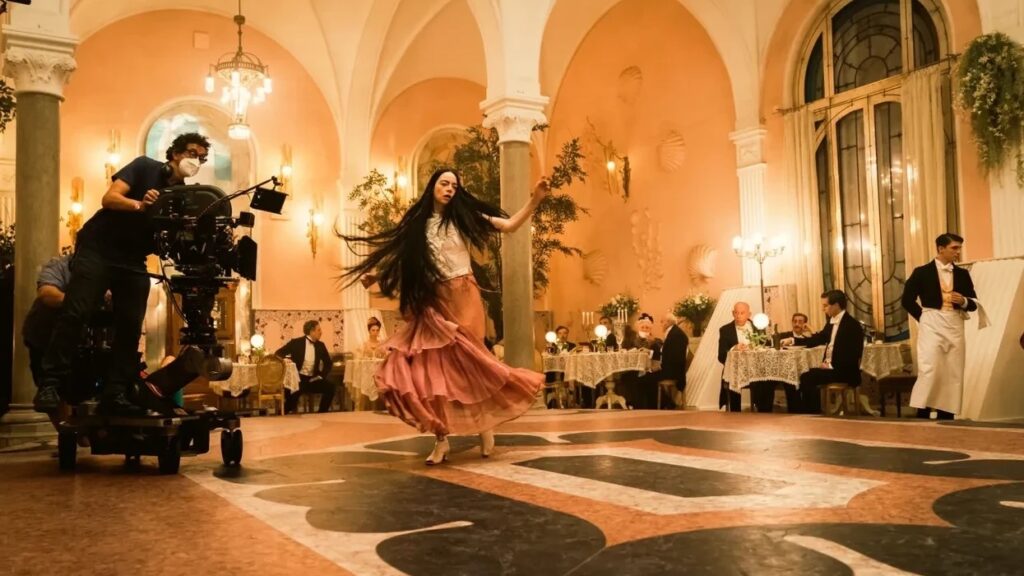
In “Poor Things”, DOP Robbie Ryan worked closely with director Yorgos Lanthimos, who had strong opinions on lens choice to evoke emotion in the scene…..One effect the director wanted for certain scenes “was a sort of vignetted wide lens, to create a kind of porthole sort of feel, so that you’re kind of looking into another world” Says Ryan….and so they chose a 4mm Optex, a lens used for 16mm cameras but when put on a modern 35mm format you get a vignette which worked out perfect for what the director had in his mind. “Any time a scene needed a bit more expression, Yorgos would call out for the 4mm. It’s the one a lot of people talk about because it’s quite a funny lens. Usually, when the scene gets a bit heightened, that lens came out,” Ryan said.
Another distinctive lens that Ryan and Lanthimos chose was the Petzval lenses, which are rehoused projector lenses from the early 20th century that create a beautiful portrait look while still having some wide-angle wildness to it. Ryan could use the Petzvals in deliberately portrait-like moments of Bella struggling with, understanding, or deciding something, so that it shifts all the detail in the frame onto her while creating a lovely, swirling bokeh behind her.
This multi lens style of shooting has become more and more popular in recent times, rather than simply getting one set of the same lenses, many DOP’s are opting for a plethora of different lenses for different scenes, creating different feels and looks within the same movie…..Imagezone recognised this trend and has been constantly adding to its collection of “Look” lenses in the last couple of years….Like the Petzvals, Canon T0.95 Dream lens, vintage Leica T1.0 50mm ‘Noctilux’ and the 9.8mm Kinoptik. Whilst Imagezone does not have the 4mm Optex, used on “Poor Things” the 9.8mm Kinoptik Super wide lens used by Stanley Kubrick in “A Clockwork Orange”, can be used in a similar vein….the fish eye, ultra wide look.
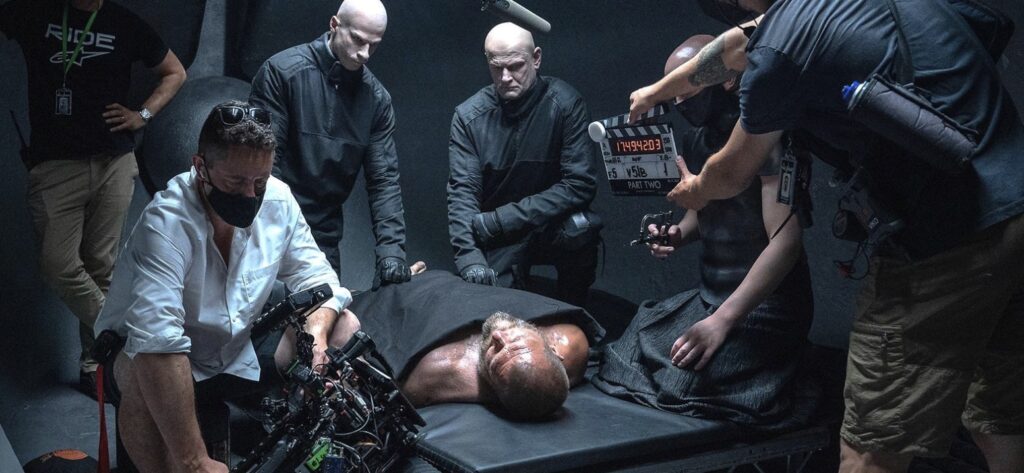
But perhaps the most notable example of what’s on the shelf at Imagezone that is currently featured in a world wide hit, are the rehoused Olympic Zuikos used on the highly anticipated sequel, “Dune 2.” Following in the footsteps of its predecessor, which garnered critical acclaim for its breathtaking visuals, the sequel needed lenses to capture the grandeur and scale of the Dune universe.

Cinematographer Greig Fraser recalls, “We started by asking ourselves some philosophical questions about whether part two needed to look the same as part one. Do we continue with the same format? Do we stay with digital, or do we go to film? Do we shoot 16 mm? It’s a bigger world that we’re building in part two; there are more planets, more set pieces, and more action. We decided to keep the fundamental through-line of large-sensor ARRI ALEXA cameras, and shoot the whole thing spherical. That kept our options open for the IMAX version and we felt that the 65mm with the Mini LF was a good combo.”
Combining those cameras with Arri Rentals re-housed 1980s Moviecams, which use Olympus Zuiko donor glass, re-housed Soviet-era glass supplied by IronGlass and some of Frasers own lenses, made for a mixed bag of lenses….and as Fraser states in an interview with ARRI Rentals, “The Moviecams were pleasing and had good depth, as well as a really good range to choose from. They helped create the texture I wanted.”
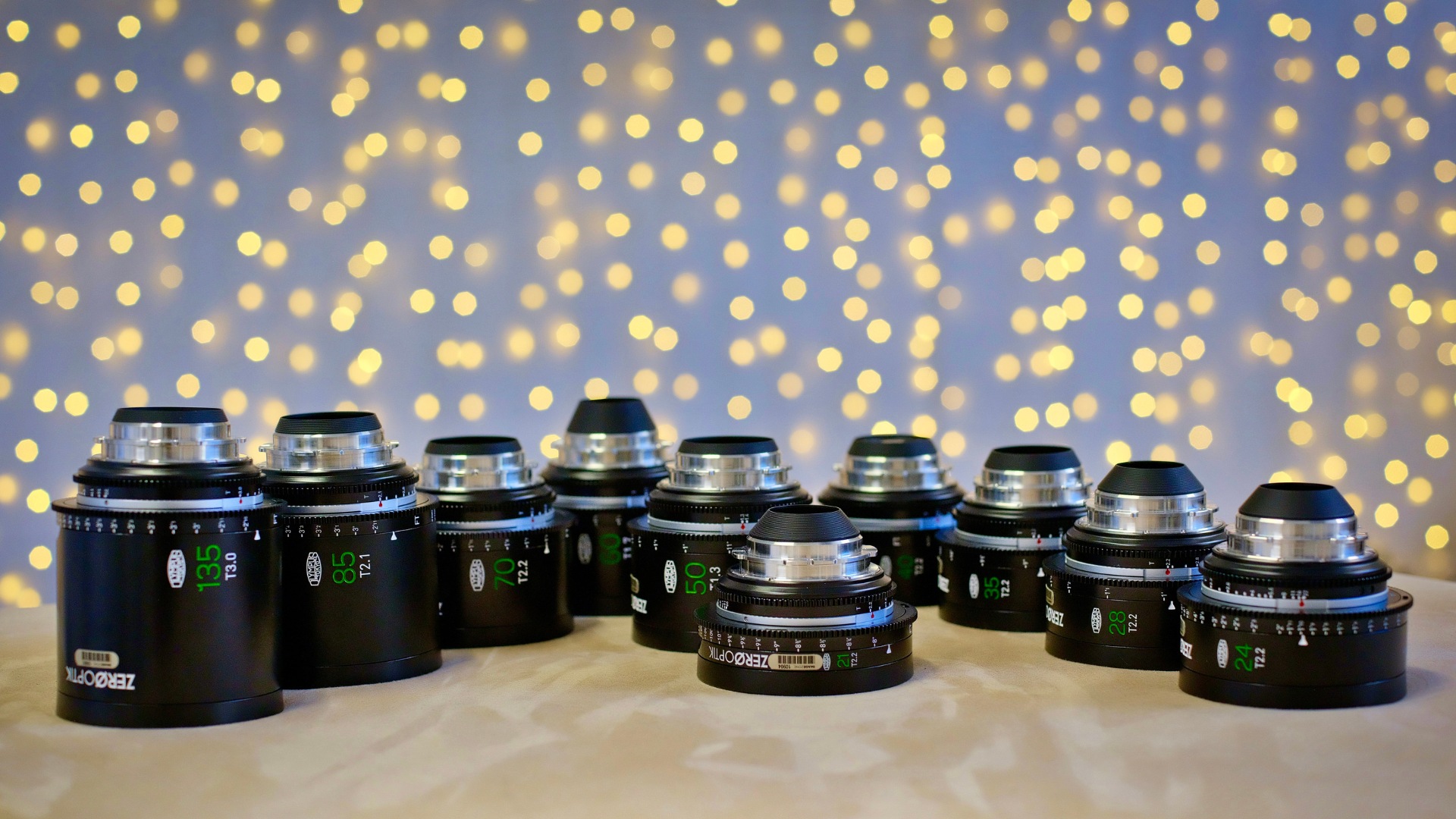
Whilst not re housed by Moviecam, the recent arrival of Imagezones Olympus Zuikos, rehoused by Zero Optix, means that local DOP’s have available to them lenses that, at their heart, are the same doner glass as the ARRI Rentals Moviecam…and that is a big deal! Getting Moviecam glass out of Germany is usually cost prohibitive to all but blockbuster Cinematographers, so to have, fundamentally the same glass here in Auckland, offers local DOP’s the chance to use some of the “hottest” lenses in the world of cinematography.
The use of lenses in these Oscar-nominated films and world wide blockbusters, underscores Imagezone’s commitment to excellence and innovation in the field of cinematography. With lenses on the shelf here in New Zealand that are similar and in some cases, the very same, adorning Movie sets around the world, Imagezone has established itself as a trusted partner for filmmakers seeking to push the boundaries of visual storytelling.