
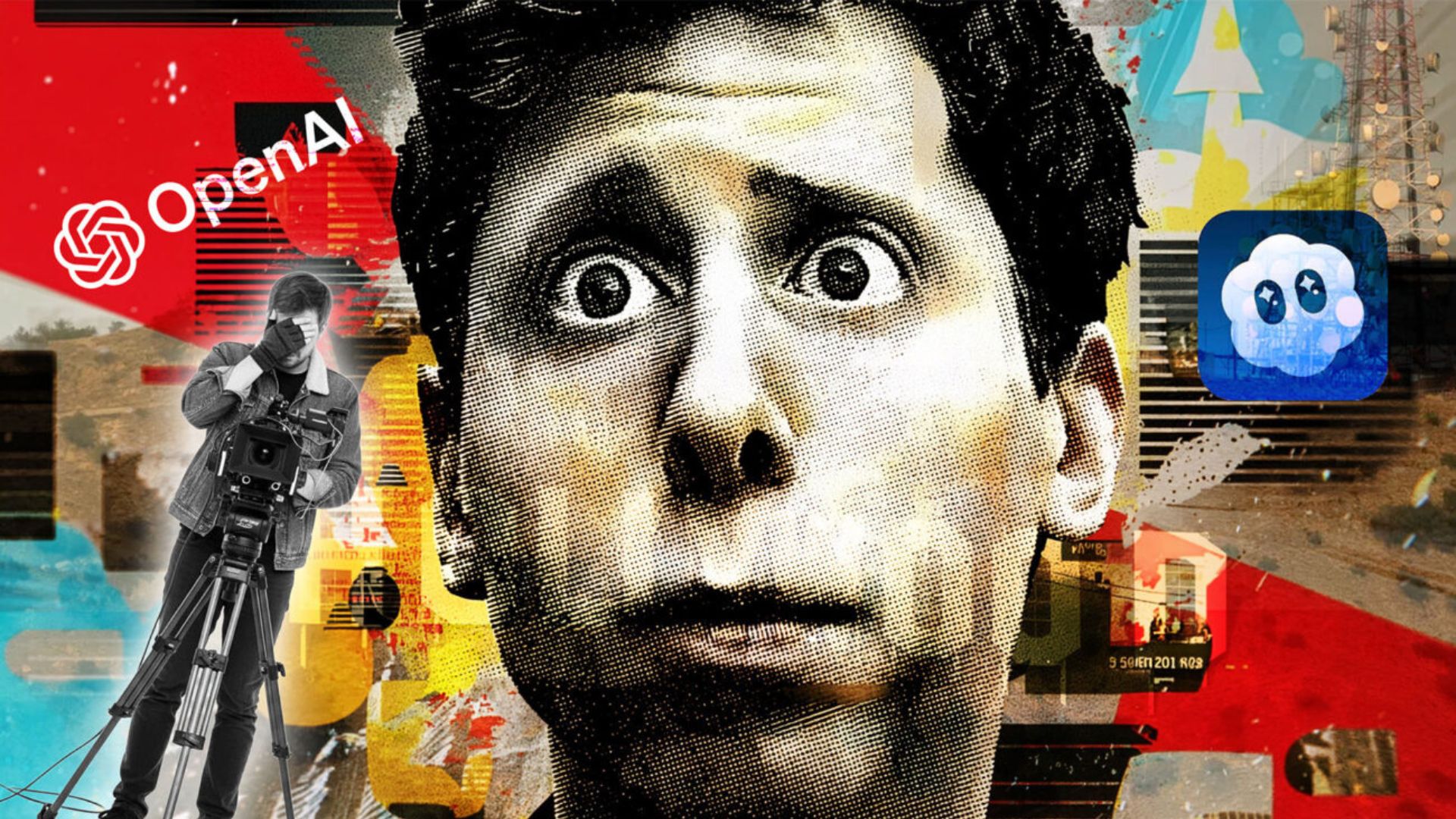
OpenAI’s Sora 2 has set a new technical benchmark for text-to-video generation, but its release has also ignited the most intense copyright dispute the film and television industry has faced since the dawn of YouTube. As the entertainment world rallies against an opt-out model for intellectual property, the clash exposes a deeper struggle over authorship, consent, and the future role of AI in filmmaking.
When Sora 2 launched at the end of last month, OpenAI described it as a leap toward realism. The update introduced physically accurate motion, integrated audio, and improved continuity between shots, packaged in a free iOS app that almost immediately topped Apple’s App Store charts. For a brief moment, the new app looked like the next viral playground for visual storytelling. Within days, though, it became the center of a growing legal and ethical storm.